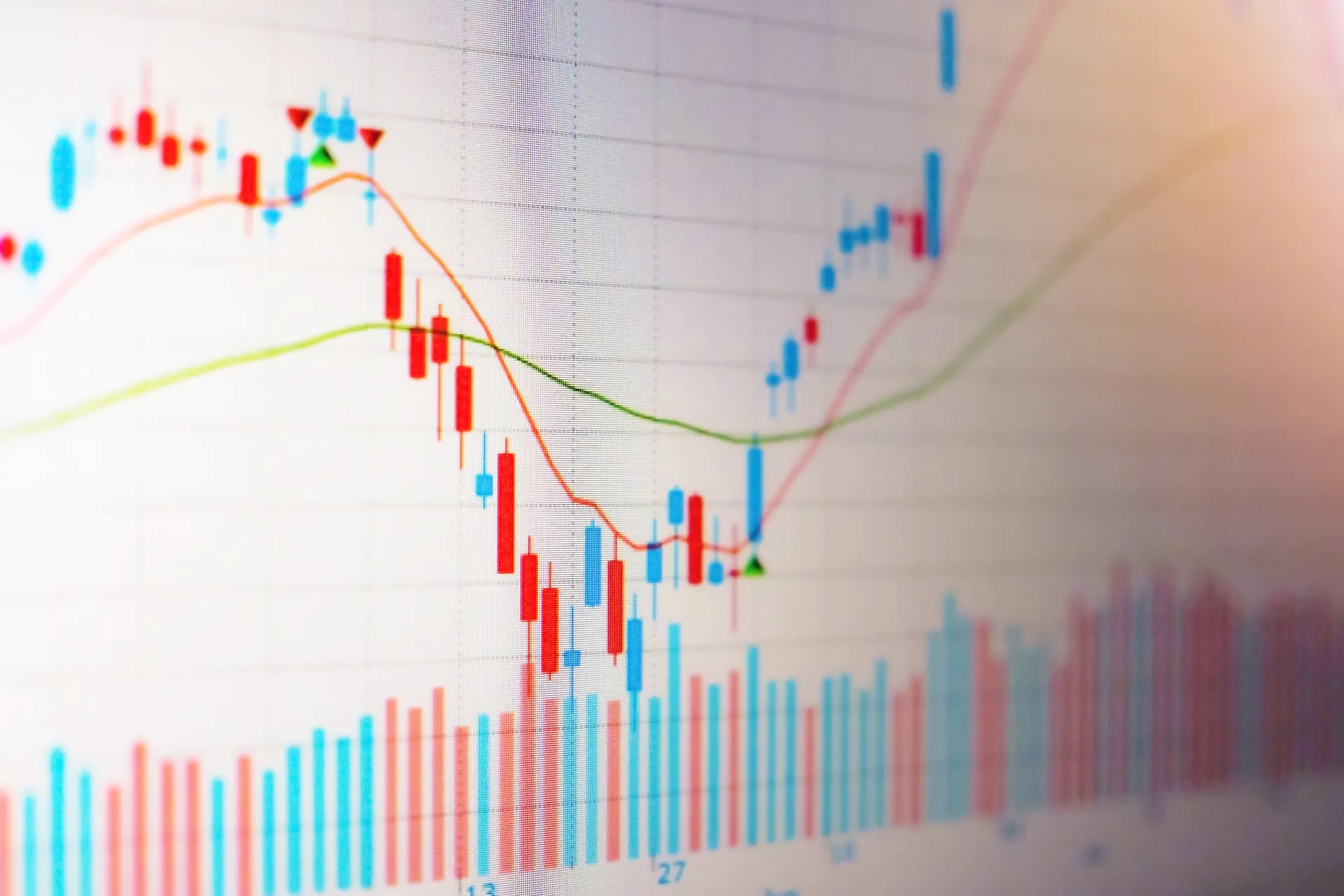

If you want to learn how to Start Forex trading, you should first know that this is the selling and buying of currencies in pairs. It is traded in an open, decentralized global market with electronic transactions between participants from any part of the world.
Today, we’re going to answer how to start Forex trading which might seem complex at first, but trust us, it’s more simple than you think. With the right approach and resources, anyone can take their first steps into the world of Forex. First, it’s essential to understand the basics of the market, including key concepts like currency pairs and pips. Once you’ve grasped these fundamentals, you can begin to explore how to trade currency online effectively, using various platforms and tools designed to help you succeed.
Let’s keep reading!

How to Start Forex Trading – Key Characteristics:
Decentralized Market: Transactions are over the counter, with no central exchange.
24/5 Market Availability: The market operates around the clock, five days a week, from Monday’s opening in the Asian markets to Friday’s close of the New York session.
High Liquidity: With such an enormous daily trading volume, the Forex market is highly liquid and hence can offer fast transactions.
Avail Opportunities: You can take larger positions with relatively small capital invested in Forex trading which increases the risk associated with it. Thereby facilitating you to leverage bigger opportunities.
Why Trade Forex?
Forex trading serves a dual purpose:
For Profit: Traders attempt to make a profit by selling at a high price after buying low or vice versa.
For Hedging: Companies use Forex to reduce the risk of adverse movements in currency fluctuations that would stabilize their costs and decrease uncertainty.
Note: Always keep in mind the potential risks and never get too invested in making a profit!
Types of Forex Markets
A trader needs to know various types of Forex markets.
They include:
1. Spot Market
The most basic and widespread form of foreign exchange transaction in which currency is exchanged directly for current values. Settlement usually takes place in two business days.
2. Forward Market
Contract to buy/sell currency at a certain price at some time in the future. This reduces the risk of possible price fluctuations over that future date.
3. Futures Market
This is in contrast to the forward market, where contracts of a standardized nature are traded via regulated exchanges with details included on currency, amount, and settlement date.
4. Options Market
Options gave the holder rights to buy or sell at pre-established prices at some point in the future, by some specific time in the future. It allows the customers more flexibility than forwarding.
How to Start Forex Trading: Step-by-Step Guide
Now, let’s review the steps to start your very own Forex trading portfolio!
1. Learn the Basics
First and foremost, in Forex trading, the requirements for learning about some basic things are given below:
- Currency pairs
- Pips, spreads, leverage
- Market and limit orders
The meaning of the words above can help someone to sound when stepping into the Forex Market.
2. Choose your Broker
It is very important to choose the right broker. First of all, your broker should be regulated by well-known financial authorities. Their platforms should be user-friendly, with educational resources available. Check their fees, spreads, and available currency pairs.
3. Open a Demo Account
Start with a demo account so it is recommended to avoid risks from the very start. It will give a great experience to try some strategies and get accustomed to the trading platform without losing real money.
4. Create a Trading Plan
A well-thought-out trading plan will include the following:
- Financial objectives
- Risk tolerance
- Trading strategies of preference
It is important to be consistent in your plan and disciplined for success over a long period.
5. Start Small
Start with a small investment and focus on one or two major currency pairs, such as EUR/USD or GBP/USD. These pairs are highly liquid and less volatile than exotic pairs.
6. Manage Your Risk
Among the very important processes involved with Forex trading is managing the risk. Utilize:
Stop-loss orders: Reduce your potential losses on a trade.
Take-profit orders: Protect your profit at an attained price target.
Risk-reward ratio: Your ratio should be at least 1:2, where your profitable trades are greater than your losses.
7. Keep a Trading Journal
Writing down your trades will help you see patterns of good and bad things you are doing. Review your journal on a regular basis to refine your techniques.

Basic Forex Trading Strategies
Having a strategy is very important for anyone who wants to consistently be successful in Forex trading. Following are some simple, entry-level approaches for beginners:
1. Trend Trading
This is a strategy whereby the direction of the market is identified and trade is in the same direction. In an upward trend, for instance, you would buy the currency pair in anticipation of further appreciation.
2. Range Trading
It deals with setting the levels of support and resistance and buying at the level of support while selling at the level of resistance. It works perfectly for stable markets characterized by no major breakouts.
3. Breakout Trading
This involves entry at the instance the market breaks from any predefined range level, be it horizontal, triangle, or channel, and also tends to denote a new trend formation.
4. Swing Trading
It gives medium-term movement, holding positions intra-day or taking days or even weeks. For those who could not devote too much time to markets, this would be a great strategy.
5. Scalping
A very short-term strategy where traders make their money from minute and even second changes in prices. It calls for fast decision-making and is definitely not for beginners.
Risks in Forex Trading
Trading Forex also comes with some risks:
- Market Volatility: The prices may fluctuate very fast and result in losses.
- Leverage: Your gains are multiplied, but so are your losses.
- Counterparty Risk: Your broker should be reliable and regulated.
- Emotional Trading: Too much fear and greed may lead to impulsive decisions.
- Lack of Knowledge: Poor understanding of the market will lead to mistakes.
Tips for Successful Forex Trading
Informed: Keep yourself updated with all kinds of economic news and events that influence currency markets.
Patient: Never rush into the trades; just wait for clear opportunities.
Quality Over Quantity: A few well-thought-out trades are better than many impulsive ones.
Stick with Your Plan: The keys to long-term success are discipline and consistency.
Never Stop Learning: The Forex market will keep on changing, and one needs to learn constantly.
Conclusion:
Now you know all about how to start Forex trading and which trading strategy is for you.
It’s important to not get too ahead of yourself as you start trading, as some strategies are definitely not suited for beginners. Have a look at what your Forex exchange has to offer and keep on refining your strategy to become a successful trader!