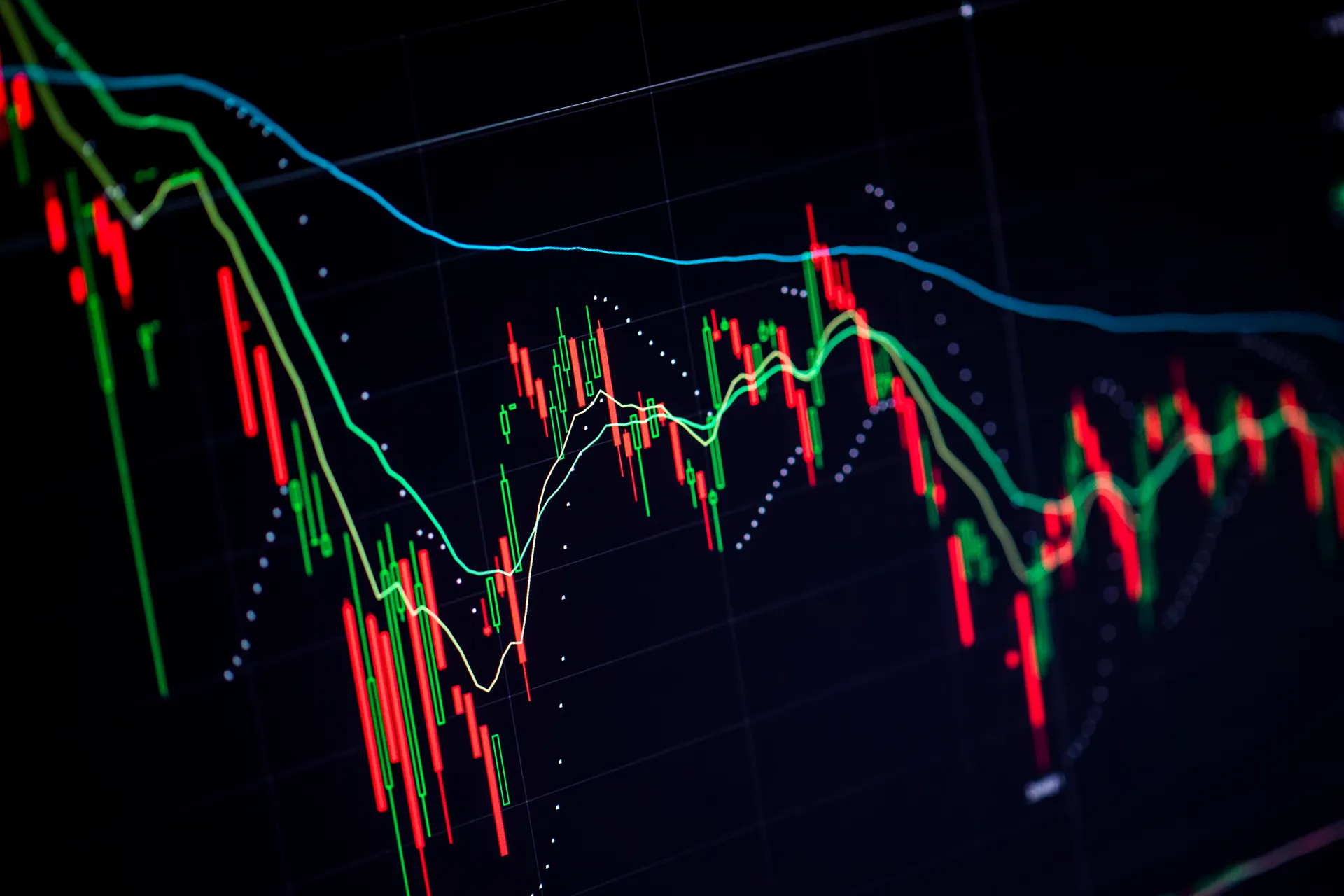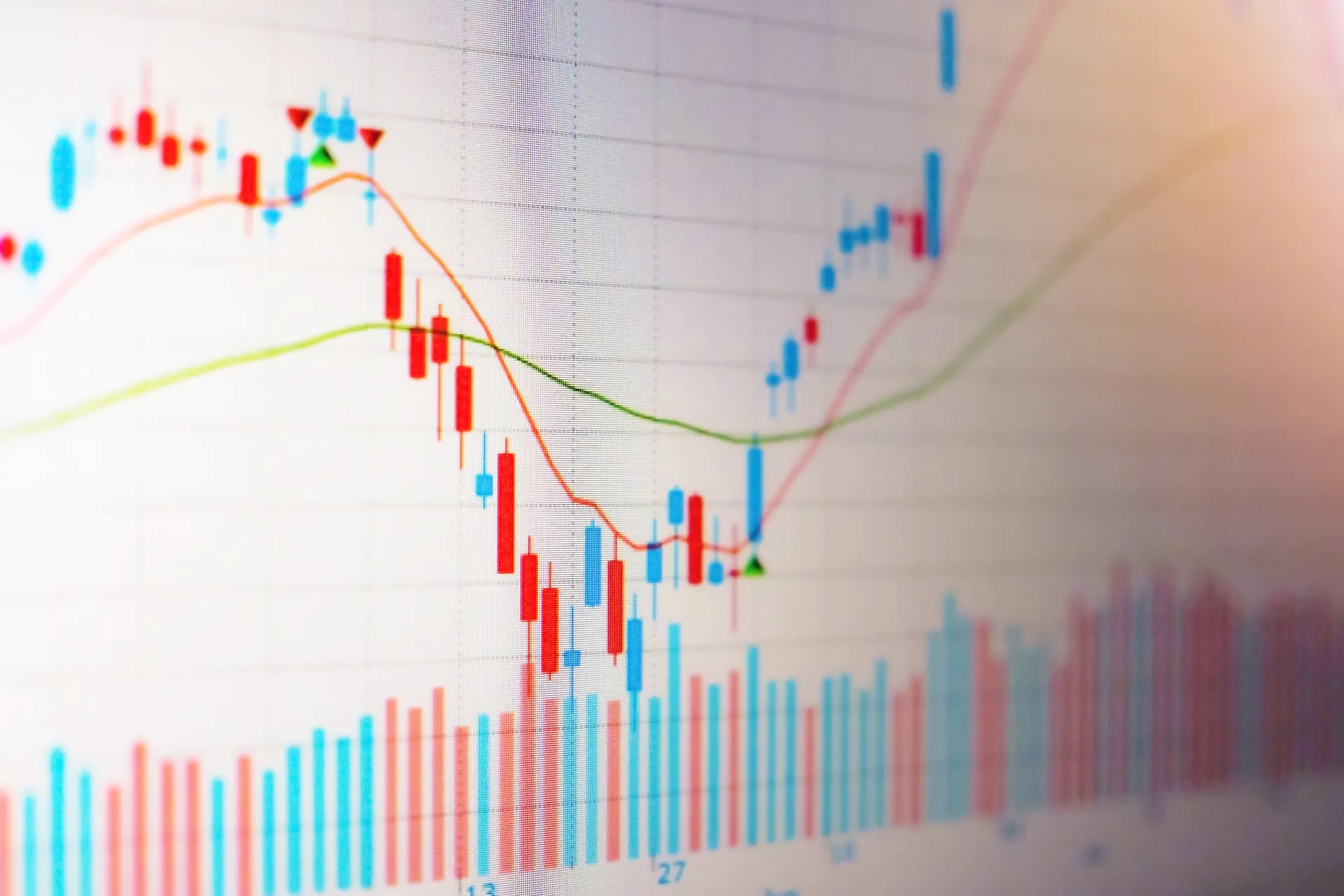

In electronic markets, price is influenced not only by executed trades but by the distribution of liquidity waiting in the order book. When one side of the book holds significantly more depth than the other, the market experiences depth imbalance. This imbalance creates structural pressure that shapes how prices move, how spreads behave, and how efficiently the market reflects incoming information.
Closely tied to these dynamics is the concept of micro-price efficiency, which evaluates how accurately the price represents the balance of supply and demand at the most granular level.
Risk Warning: Depth imbalance and micro-price analysis reflect structural conditions that may change rapidly. While these concepts help explain market behavior, they do not predict future movement or guarantee specific outcomes.
Depth imbalance is a real-time signal of vulnerability, indicating where the market is more likely to move when exposed to pressure. Micro-price efficiency measures how effectively the price incorporates this information into its immediate value.
Understanding Depth Imbalance Dynamics
Depth imbalance occurs when the resting buy orders differ significantly from the resting sell orders at nearby levels. This discrepancy shows which side of the market contains more available liquidity.
When the imbalance is large, the price often gravitates toward the side with thinner depth because even moderate order flow can push through levels with limited resistance. This does not imply direction but reflects structural fragility.
Micro-Price Efficiency in Market Behavior
Micro-price efficiency evaluates how well the quoted price reflects the true balance of liquidity. If one side is heavily imbalanced but the price does not adjust accordingly, the micro-price is considered inefficient.
Efficient micro-price conditions emerge when:
- Spreads reflect the actual depth distribution
- Quotes adjust in response to order book shifts
- Liquidity replenishment aligns with pressure zones
Inefficiency occurs when the displayed price lags behind structural information.
Liquidity Distribution and Structural Pressure
The distribution of liquidity around the midpoint determines how the price reacts to incoming trades. Even when order flow is neutral, the market may drift toward thinner areas simply because they offer less support.
Depth imbalance influences:
- Sensitivity to aggressive orders
- Volatility intensity
- Stability of spreads
- Order book resilience
These factors combine to shape micro-level price efficiency.
Example Scenario: Imbalance Under Pressure
Consider a market where the bid side contains minimal depth while the ask side holds several layers of strong liquidity. A burst of selling pressure easily pushes the price downward because bids are thin and quickly consumed.
Even without a continuation of selling, the price may remain heavy until buyers replenish the depleted levels. This demonstrates how imbalance influences movement without implying a trend.
Relationship Between Imbalance and Volatility
Depth imbalance increases volatility because the price can move rapidly when thin areas are exposed to pressure. When the book becomes asymmetric, even modest trades can traverse multiple price levels. As the market seeks equilibrium, volatility may stabilize once liquidity providers replenish the weaker side or distribute depth more evenly.
Micro-Price as a Predictive Efficiency Measure
Micro-price does not forecast direction. Instead, it evaluates whether current pricing reflects structural conditions. When the micro-price diverges from the midpoint due to imbalance, the discrepancy signals that the visible price may adjust if pressure continues. This helps analysts understand how efficiently the market interprets an imbalance in real time.
Interaction With Algorithmic Liquidity
Algorithms monitor depth imbalance and adjust quoting behavior accordingly. When the imbalance rises, algorithms may:
- Reduce displayed liquidity
- Widen spreads for protection
- Increase cancellation frequency
- Rebalance across correlated instruments
These actions influence the efficiency of micro-price formation by modifying how quickly the price adjusts to structural changes.
Depth Imbalance Across Timeframes
Imbalance appears across all timeframes, though its meaning varies:
- On short timeframes, imbalance reflects momentary liquidity variation.
- On medium timeframes, it represents evolving participation behavior.
- On long timeframes, it aligns with structural changes in sentiment and demand.
Understanding which timeframe dominates helps analysts contextualize imbalance effects.
Factors That Distort Micro-Price Efficiency
Several forces can reduce efficiency even when imbalance signals are clear:
- Hidden liquidity and iceberg orders
- Off-book internalization
- Latency differences across venues
- Sudden liquidity withdrawal
- Rapid quote updates that outpace visible data
These distortions create an environment where visible depth does not fully represent actual liquidity.
Final Thoughts
Depth imbalance and micro-price efficiency are core components of market microstructure, revealing how liquidity distribution shapes short-term price behavior. They highlight where the market may be more responsive to pressure and how effectively price adjusts to supply and demand conditions at the most granular level.
These concepts deepen understanding of intraday behavior by showing that price movement often reflects structural characteristics rather than broad sentiment or trend.
Risk Warning: Depth imbalance and micro-price readings represent real-time structural information that may shift quickly. They help explain behavior but do not imply future direction or guarantee market outcomes.
FAQ
1. What is depth imbalance in trading?
Depth imbalance refers to unequal buy and sell orders in the order book, which can signal short-term pressure and potential direction in fast-moving markets.
2. What does micro-price efficiency mean?
Micro-price efficiency describes how quickly and accurately prices reflect supply and demand changes in the order book during active trading conditions.
3. How can depth data help traders?
Depth data helps traders understand liquidity and order flow, offering insights into potential price movement, short-term momentum, and areas of market interest.
4. Does FXSI provide tools for market analysis?
FXSI offers real-time data and analytical resources that help traders interpret market activity and make more informed decisions based on structural behavior.