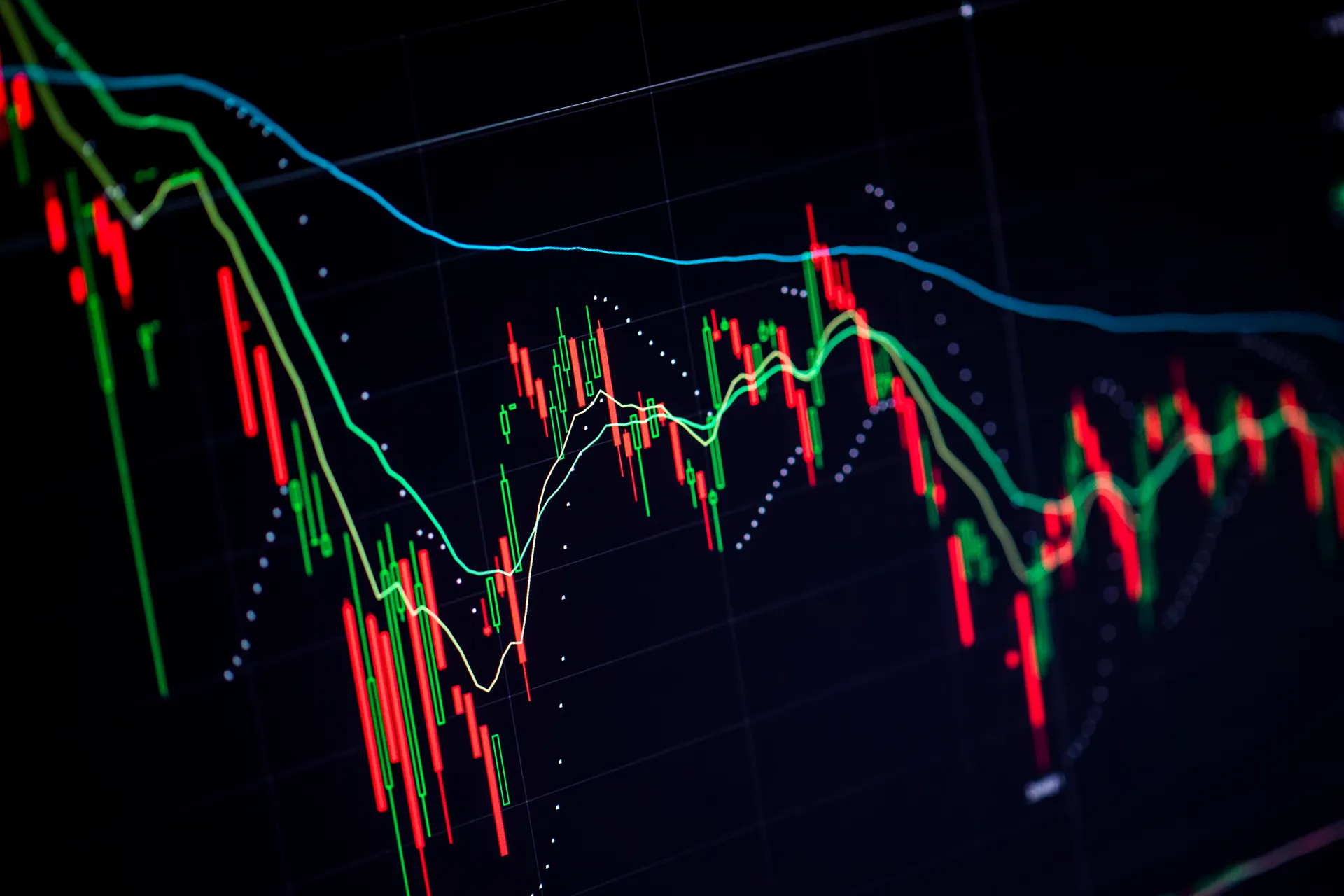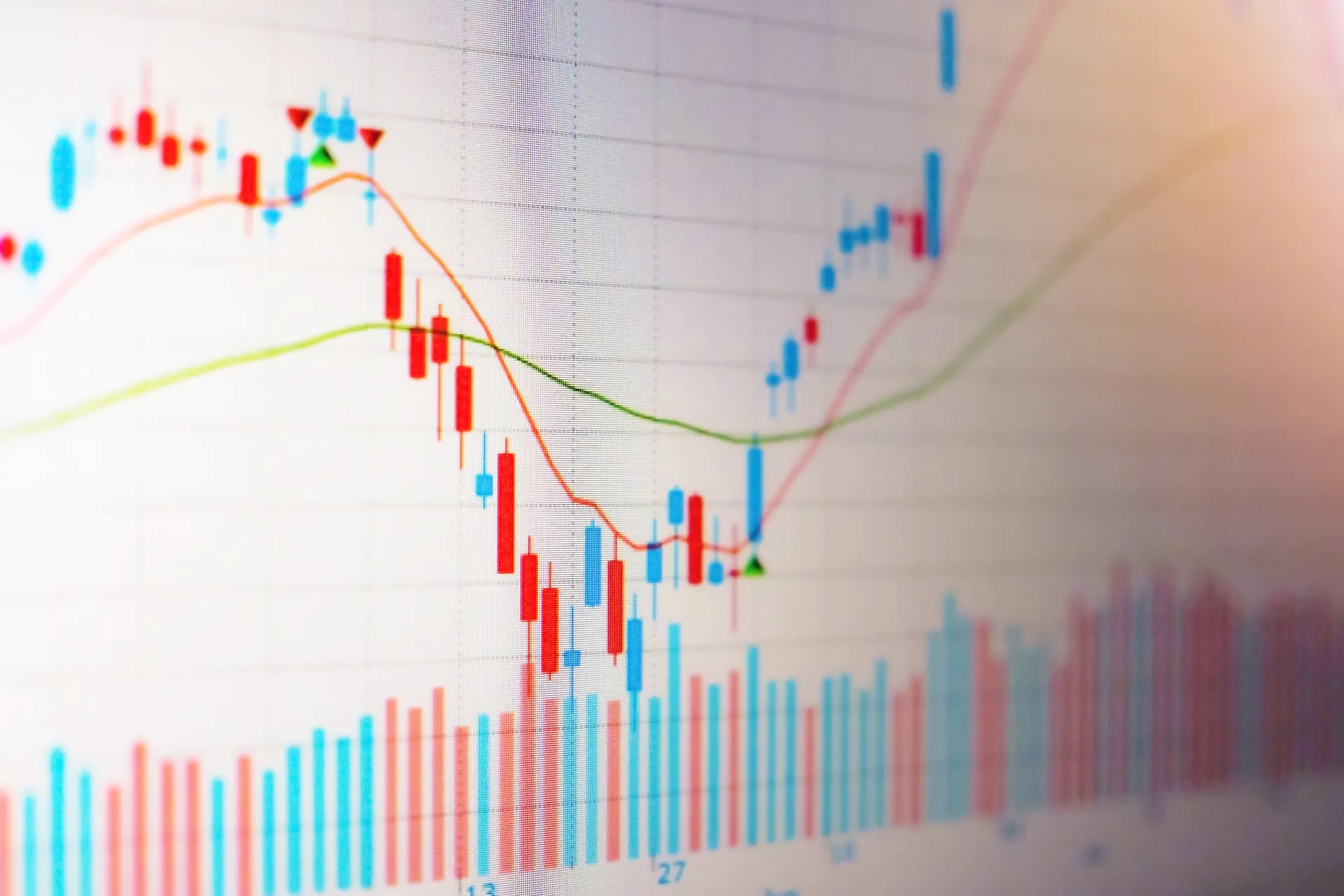

Financial markets do not behave the same way all the time. They transition through market regimes, each defined by unique conditions of volatility, liquidity, and trend behaviour. These regimes shape how prices move, how participants react, and how structure forms across multiple timeframes. Understanding market regimes allows analysts to interpret price behaviour in context, rather than assuming the market follows a single predictable pattern.
Risk Warning: Market regimes and structural classifications reflect historical observations. They can shift unexpectedly due to economic events or liquidity changes. Awareness supports understanding but cannot predict future outcomes.
A market regime represents a broad environment rather than a short-term pattern. These environments influence everything from trend speed to the reliability of technical signals. Regime shifts occur gradually at times, but under certain pressures, they can also change suddenly, altering the dynamics of price formation within hours.
Core Regimes in Modern Markets
While markets can display infinite variations, most conditions fall into a few overarching regimes that analysts recognise through behaviour and structure.
1. Trending Regimes
These regimes feature strong directional movement, consistent momentum, and reduced noise. Pullbacks tend to be shallow, and liquidity concentrates along the trend direction.
2. Mean-Reverting Regimes
Here, price gravitates back toward central levels. Oscillations dominate, and large directional moves are limited. These regimes often appear during balance phases or transitional periods.
3. Volatile Expansion Regimes
Marked by rapid price movement and irregular structure, usually following major news events. Liquidity may thin, spreads widen, and sentiment fluctuates sharply.
4. Compressing or Low-Volatility Regimes
These environments show tight ranges and reduced participation. Compression often precedes major transitions, acting as a buildup phase for future expansion.
Each regime influences how price behaves, how long moves sustain, and how participants interpret signals.
Why Market Regimes Matter
A technical signal or pattern does not have equal meaning across all regimes. A breakout that succeeds in a trending regime may fail in a compressing one. A reversal formation that appears meaningful during expansion may simply reflect normal fluctuation in a volatile environment.
Recognising the operating regime helps analysts judge whether the movement aligns with expected behaviour or deviates from it. This distinction provides clarity about whether conditions are supportive or resistant to particular analytical frameworks.
Identifying Regime Behaviour
To recognise regimes, analysts observe several structural markers, including:
- Volatility structure, whether expanding, contracting, or table
- Liquidity distribution, especially around key price zones
- Trend consistency, measured through higher-high or lower-low sequences
- Reaction symmetry, showing whether responses are balanced or one-sided
- Volume behaviour, indicating the strength behind the movement
No single marker defines a regime, but their combination builds a coherent picture of the current environment.
Structural Shifts Between Regimes
Markets rarely jump from one regime to another without transitional structure. These transitions show distinct characteristics that help analysts spot early signs of change.
Signs of Transition
- Momentum fading in a strong trend
- Extended compression zones form after high volatility
- Erratic movement interrupts steady directional flow
- Divergence between price and participation
- Volume clustering near structural turning points
Transitions do not always imply reversals. They signal that the underlying mechanics of movement are adjusting, regardless of whether direction continues or changes.
Micro-Regimes Within Broader Cycles
Large regimes contain smaller micro-regimes that influence short-term decision-making. For example, within a long-term uptrend, the market may pass through temporary mean-reversion phases, short volatility expansions, or brief compression periods before the broader trend resumes.
Understanding micro-regimes prevents misinterpretation of temporary fluctuations as full structural change.
Example Scenario
Imagine a major index trending upward for several months. Price begins to compress, and volatility drops. Analysts recognise the environment as shifting into a low-volatility regime. Suddenly, new economic data triggers a surge in orders, expanding volatility and initiating a regime of rapid movement.
Although the trend direction remains upward, the behaviour of price changes significantly — retracements expand, liquidity pockets form deeper, and reactions become sharper.
This demonstrates that regime recognition clarifies not just direction, but character.
Long-Term Structural Regimes
Over years or decades, markets develop broader structural regimes driven by macroeconomic factors such as interest cycles, policy decisions, or technological innovation. These macro regimes influence baseline volatility, preferred asset classes, and general risk appetite.
Examples include:
- Extended low-rate environments encouraging persistent trend regimes
- High-inflation periods producing volatile, unstable movement
- Technological shifts creating new liquidity patterns across markets
Analysts studying long-term cycles often blend structural, behavioural, and economic data to understand these major transitions.
Limitations of Regime Identification
Identifying regimes involves interpretation rather than calculation. While volatility and trend indicators assist, the process requires understanding that conditions can change without warning. Sudden global events may invalidate the ongoing regime and force rapid reclassification.
Regime awareness improves context but does not eliminate uncertainty.
Final Thoughts
Market regimes shape the behaviour of every price movement. They define how trends form, how corrections unfold, and how volatility interacts with liquidity. By recognizing these regimes and observing transitional signals, analysts develop a deeper understanding of how markets evolve over time.
Regime analysis shifts the focus from predicting direction to understanding environment — a perspective that elevates clarity and reduces misinterpretation of isolated movements.
Risk Warning: Market regimes can shift quickly due to changes in liquidity, sentiment, or global conditions. Historical behaviour offers context but does not determine future outcomes. Always interpret regimes as evolving environments, not fixed patterns.
FAQ
1. What is a market regime?
A market regime is the overall trading environment, such as trending, ranging, or volatile conditions, which influences how strategies perform and how traders approach opportunities.
2. Why do market regimes matter for traders?
Different strategies work best in different conditions, so recognizing regime changes helps traders adapt and avoid using ineffective methods in unsuitable environments.
3. How can traders spot regime changes?
Traders monitor volatility, trend strength, and macroeconomic developments to identify shifts that signal new market behavior and potential strategy adjustments.
4. Does FXSI provide market insights?
FXSI offers real-time analysis and tools that help traders monitor trends, volatility, and structural changes to stay aligned with evolving market conditions.